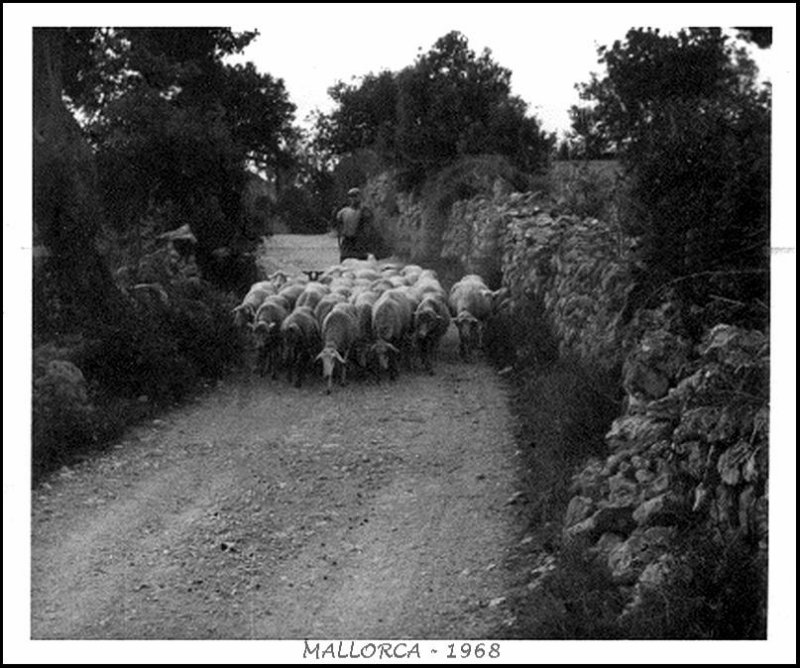
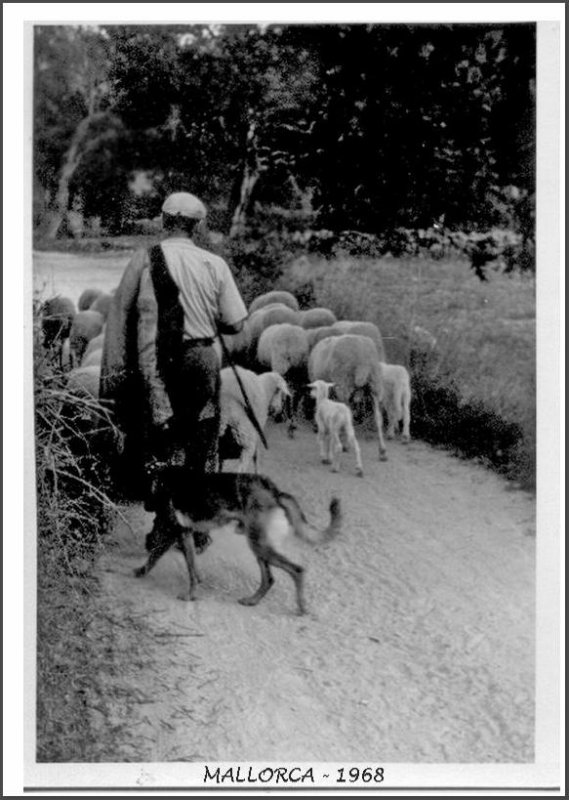
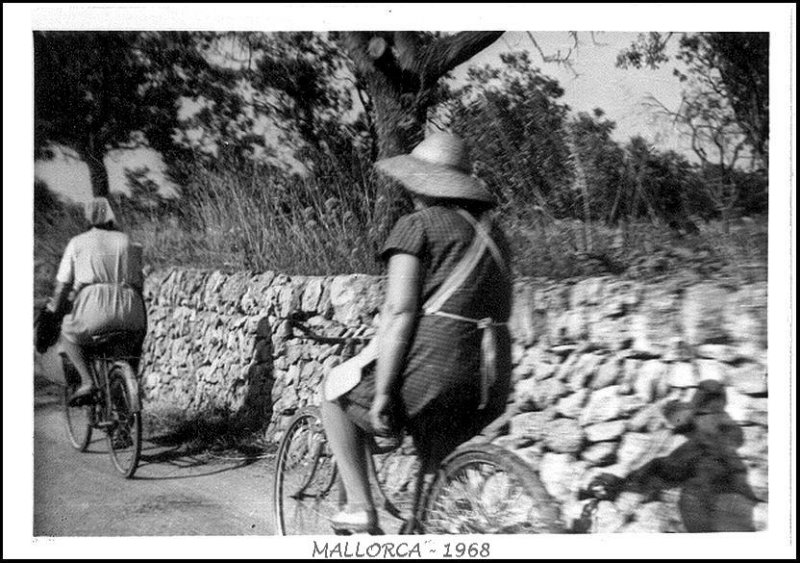
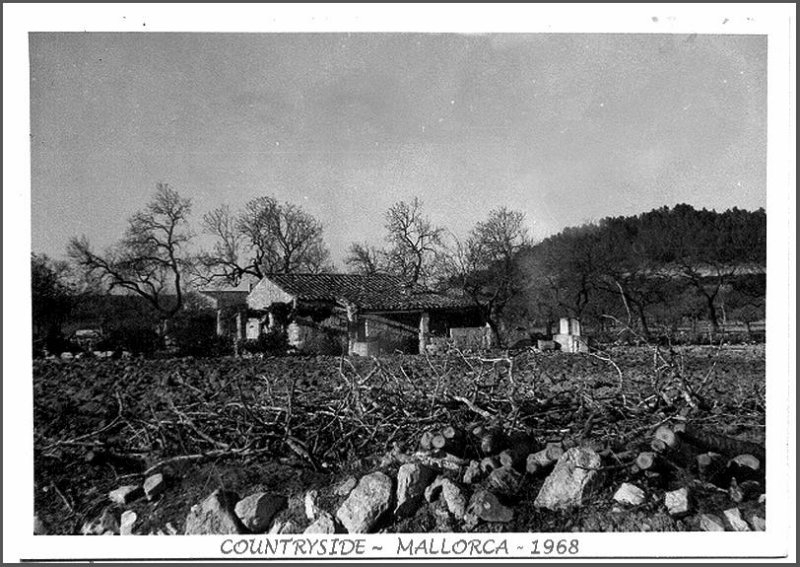
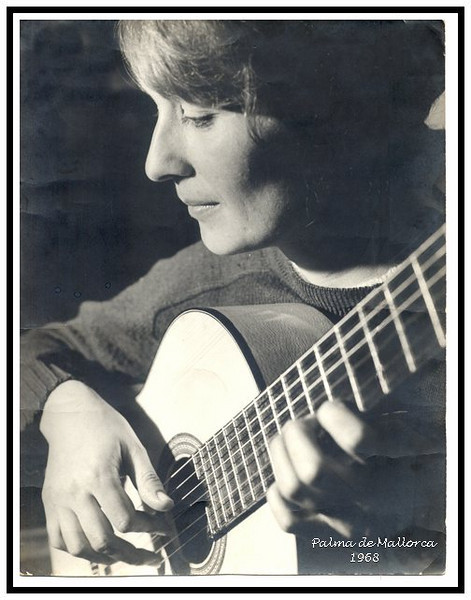
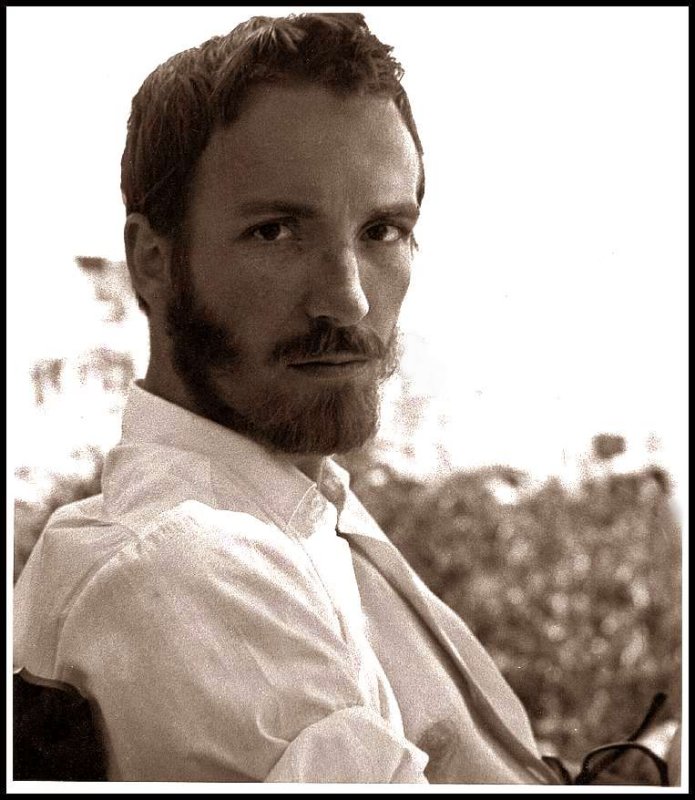
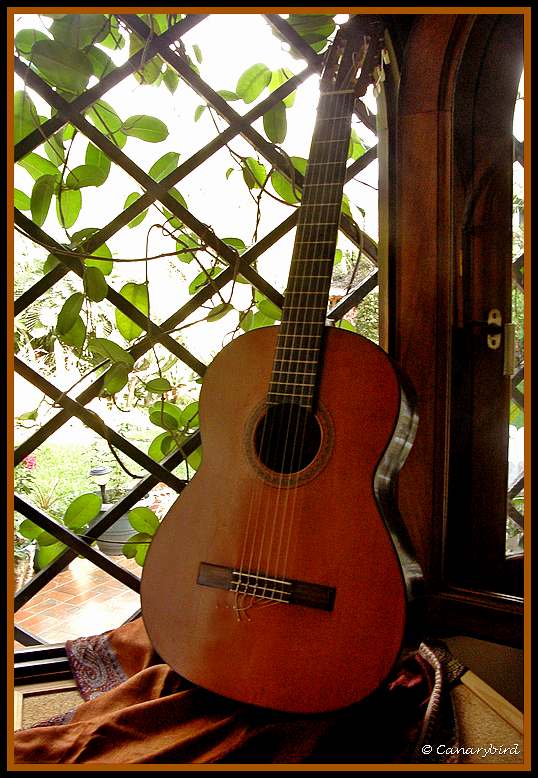
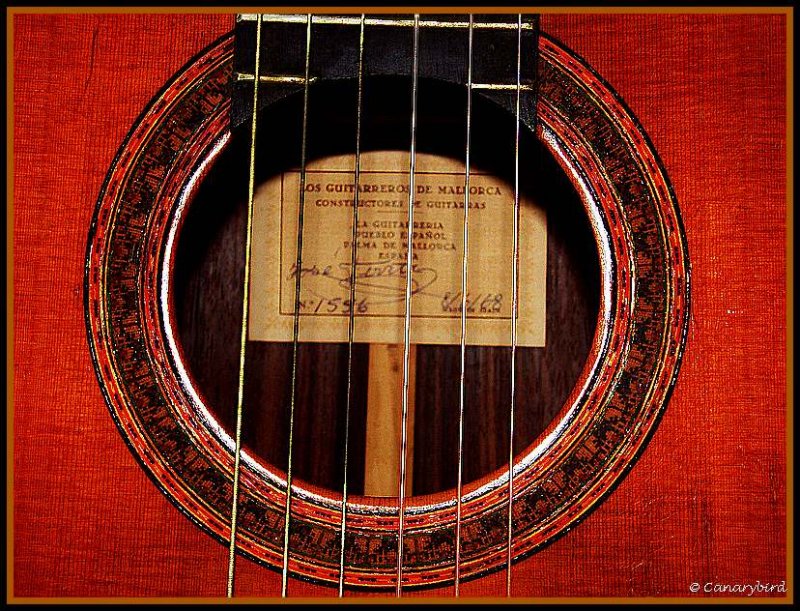
This is a photo collage. (click photos to enlarge)
Loli and I were still working as extras in the movie being made in Palma de Mallorca.
One evening we were taken to a popular nightclub called Tagomago, which was run by Los Valldemosa, a musical group at the time consisting of three young Mallorquin men, Rafael, Bernat, Tomeu and a pretty blonde American girl, Genia.
The men were from the village of Valldemosa, a lovely place in the mountains where Chopin and his mistress, George Sand (her pen name) spent a rather chilly winter in the monastery, la cartuja, years ago. The group was popular in the Balearic Isles, had travelled and performed worldwide and had made several records for the Belter Discos company. They did a good rendition of "The Banks of The Ohio" as well as everyone's favourite, played over and over again in parties and barbecues for tourists "Na Catalina de Plaça", in which the audience joined in for the chorus of Cua - Cua- Cua.
Along with Los Valldemosa, was Salomé, the singer with whom we had been performing in previous days in both the bullring and the Pueblo Español. She would also be singing for us in Tagomago.
Loli had informed me that for this shoot we would have to wear something suitable for a nightclub outing. At that time, nightclubs were very popular, since there was yet no colour television to keep people sitting at home. It was customary to go out to the open bars and patio cafes, to drink coffee and liqueurs while watching people go by. Otherwise one went to a dance hall or on special occasions, to a nightclub which at that time were were quite civilized. Guests sat at tables, usually with a drink, while watching the show and applauding the artists. During intermission, they danced to recorded music in a small centre dance floor.
So after I borrowed a dress to wear, we arrived at Tagomago and were ushered to our seats near the stage and given a soft drink, made to look like a cocktail with a pretty straw and cherry. There were few choices in soft drinks in those years.
There was Coca-Cola and Tri-Naranjus and that was about all. One didn't ask for a 'Coke' because that was an expression unknown over here. One requested it by the full name...'Coca-Cola' and it came in a very small bottle. The other drink available was Tri-Naranjus, which was a watery, non-carbonated orange drink, which after I'd tried it for a few months, became quite palatable to my taste.
Those who lived there at the time will remember how a large bottle of Tri-Na was always included in our straw baskets for a trip to the beach.
Anyway, we had a good evening at Tagomago, sipping orange, applauding, smiling and listening to Salomé and Los Valldemosa while the cameras rolled.
Here is a retro recording of Los Valldemosa performing in Tagomago. Unfortunately the sound is not too good, so you have to use your imagination to hear it Hi-Fi (smile).
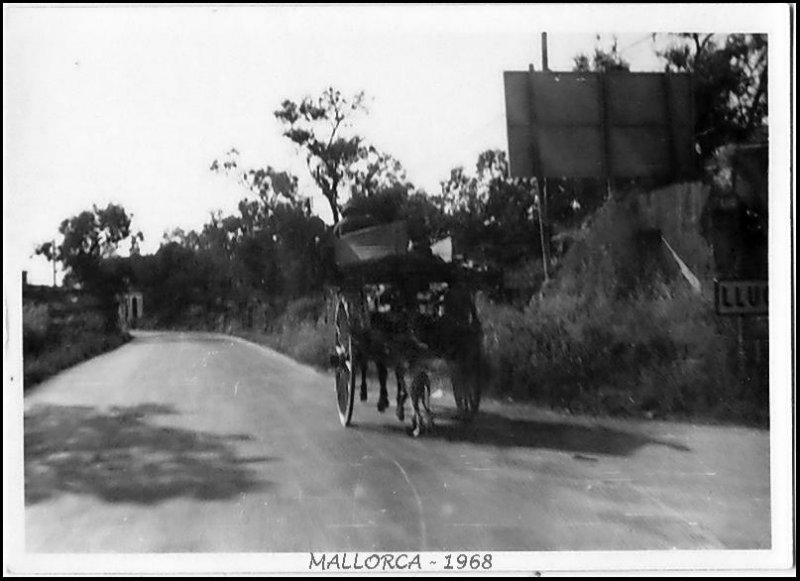
Going for a drive in the country was a favourite pastime for many in those days when country roads were quiet, save for the occasional flock of sheep, horse and cart or neighbours passing on their bicycles.
Mr. G. enjoyed a Sunday drive out into the Mallorcan countryside, where once out of Palma city one could notice the scents of olive wood smoke, freshly turned soil and wild thyme growing on hillsides.
We would go with Helen in the Citroen deux cheveaux to join the domingueros or Sunday drivers as they exited the city to take in the warm Mallorcan sunshine by perching on a hillside under a pine tree, or by spending the day on a beach with a picnic basket. Some families would scout the woods for wild asparagus after a spring rain. Others could be seen unloading a carload of equipment for not just a simple picnic, but a full cooked meal in the woods, with camp stove or bonfire, tables, chairs and cooking pots brought for boiling the Sunday dinner al fresco.
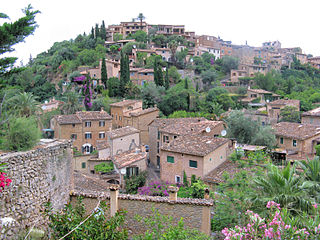
Mallorca was an island full of stones. Stone walls, stone castles, stone fences and fincas, or country estates were constructed from native stone.
I had been accustomed to the rainforest greenery of Vancouver Island and so this Mediterranean island was a sharp environmental change. Pine trees lined mountain ridges, their rounded crowns like soft green puffs painted on a gentle landscape.
Photo of Deià by Adrian Pingstone
I felt sorry for the poor dogs tied to the back of horse-drawn carts who were expected to keep walking even when tired.
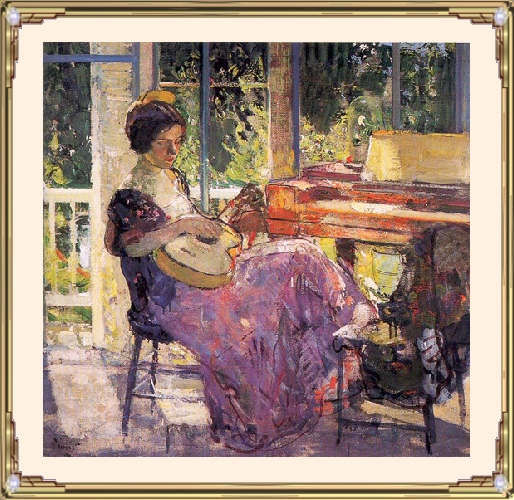
Girl With Guitar - Richard Emil Miller USA 1926 (click photos to enlarge)
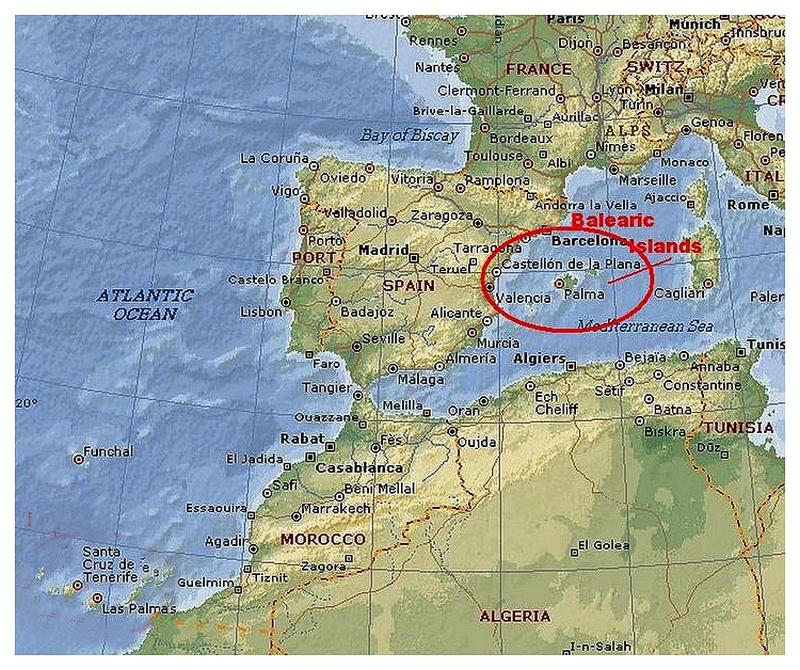
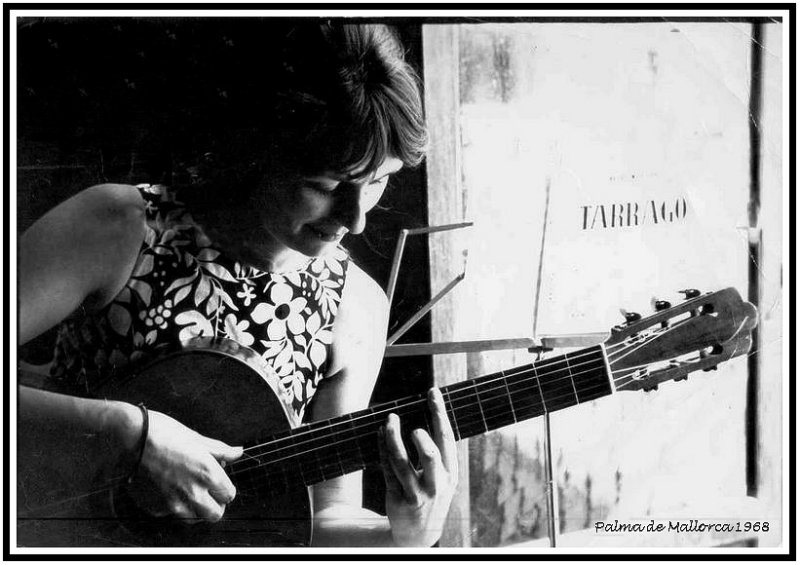
I needed a life change and yearned to visit Europe for the first time, especially after hearing of Bill Lewis' experiences in Mallorca. So after learning from George Bowden that there was an opening for teaching classical guitar in the guitar centre in Palma de Mallorca, on the Spanish Balearic Islands, I decided to save up the plane fare and leave Vancouver. Bill Lewis had talked about The Pueblo Español and the Bowden guitar factory, “Los Guitarreros de Mallorca”, as well as the life style on that Mediterranean island and I was keen to experience it myself. My daughters would stay for an extended holiday with my parents while I tried out life in a foreign land, calculating whether or not I could survive there, while my husband, by mutual agreement, would be going his separate way.
Alhambra replica in Pueblo Español, Mallorca.
After moving furniture and packing my music library, selling my beautiful guitar and kissing my children goodbye, I left on an Air Canada flight non-stop to Lisbon and on to Palma de Mallorca. Would this be just a holiday or was I on the threshold of a whole new life?
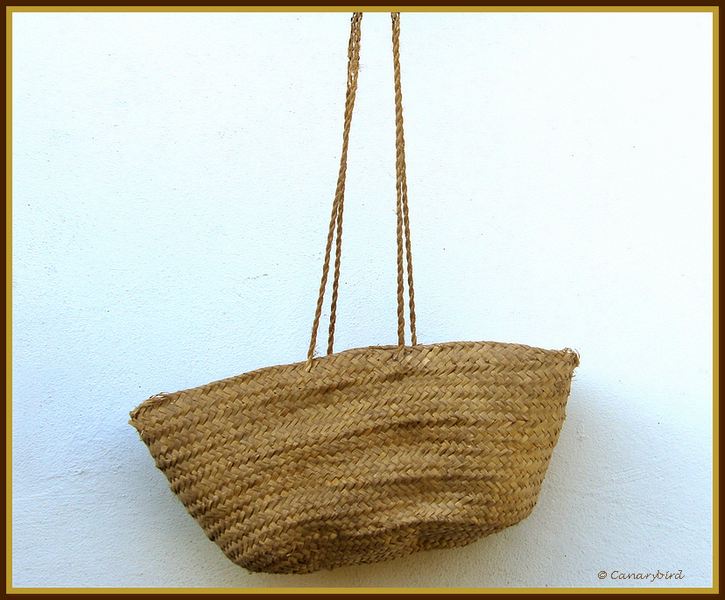
The rustic shopping baskets we carried were a must-have addition to the wardrobe of any newly-arrived foreigner such as myself. Called cestas de esparto in Spanish, they were made of straw with two long thick hemp rope handles which scratched your shoulders if you were wearing a sleeveless blouse or dress.
It was the basic carry-all that served not only for toting home the market shopping, but also for carrying suntan lotion and bathing gear to the beach as well as bread and cheese or fruit with a bottle of wine for a picnic.
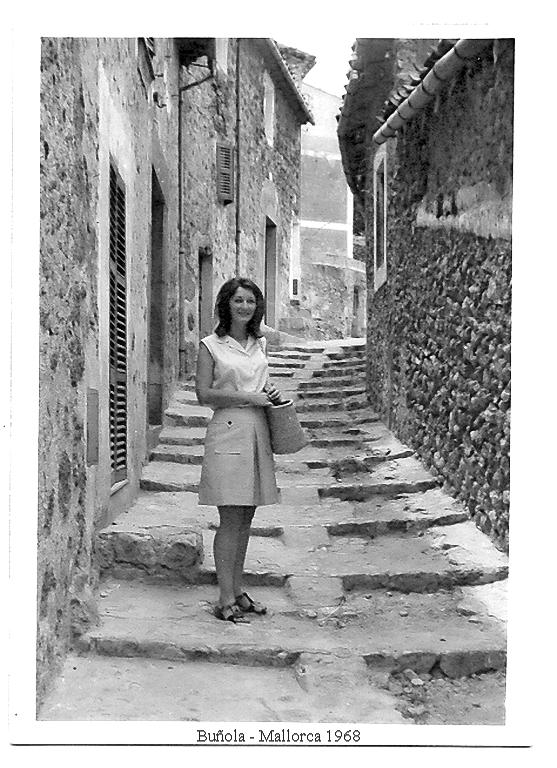
It was evident that new arrivals to the island immediately felt the need to have one of those baskets, and I was no exception. Sporting one made a person feel like an entrenched local even though, with the exception of a few students, the resident Mallorquin people didn't use them around town as much as foreigners did, and tended to keep them for garden or farm use.
Standing in Buñola with my Basket 1968
At any time or day, that basket could contain an assortment of items such as mail from home, recently collected from the post office general delivery, an apple or two, a crusty long barra of bread , a damp bathing suit wrapped in a towel, a paperback novel or a Spanish-English pocket dictionary, a copy of The Mallorca Daily Bulletin - the local English newspaper, sun glasses and perhaps a forgotten potato or onion from the last trip to the market. One was often surprised at what could be found in the bottom depths of the basket.
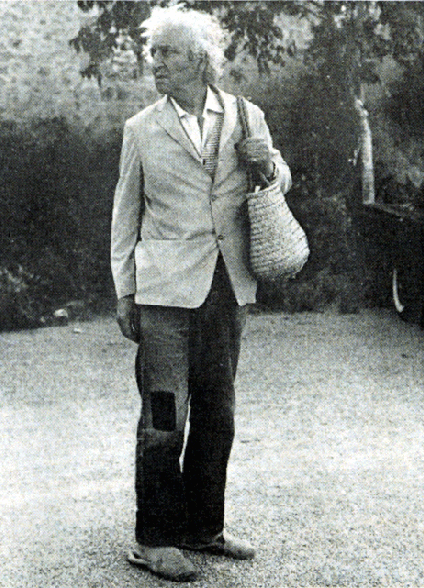
Later I was to see even the writer and poet, Robert Graves, with his well-worn basket, walking from the post office down towards the café Formentor, on an outing from his home in the mountain village of Deià.
Robert Graves - Image borrowed from The Listener, Brigham Young University
The café Formentor was a pleasant place to sit, preferrably on the outdoor terrace, while sipping a café con leche, reading the Mallorca Daily Bulletin and watching the flow of people coming and going to the post office and walking past along the Borne.
As I stepped off the plane in Palma de Mallorca the sun was blinding and the air was hot . My tired eyes had never seen such intense sunlight and although I'd had no sleep for well over twenty-four hours my excitement at not only being on an airplane for the first time but also arriving in Europe kept me in a state of nervous anticipation.
The year was 1968 and Spain was a sleepy old country which seemed to have forgotten it was in the twentieth century. General Francisco Franco was the head of state and mass tourism into the country had only recently begun. A liter of wine could be bought for just two pesetas, which was then the national currency, and a long baguette or barra of bread cost only a few centimos which were small thin coins made of aluminum.
I had come to Mallorca at the invitation of Canadian friends whose relatives had been established there since before the Spanish civil war. Needing a change in my life at that moment, I had accepted an offer to leave Vancouver and teach classical guitar at a music centre in Palma. It seemed to be an intervention of destiny that the position was open just at a time when I had been dreaming of being able to study with a Spanish maestro of classical guitar, but never could I have imagined that this might have become a reality.
photo from the Mallorca Daily Bulletin
Coming out into the arrival hall of the airport I clutched my one little suitcase. It was made of pink striped plastic and must have been a bargain basement purchase. It contained several cotton dresses that I'd sewn before leaving Vancouver. I'd heard that it was very hot in Spain and that cotton was the best material to wear. One dress was yellow, sleeveless and went with a yellow plastic bracelet I bought to match, and the other was a black and white printed cotton, which I made using the same pattern as the yellow one. I bought a white plastic bracelet to go with that one. I didn't have much money at all and had sold most everything I owned, even my beautiful Spanish-made guitar, to pay for my plane ticket.
Coming toward me was my good friend and guitar mentor, Mr. G. who had invited me to stay with his family. He owned a little guitar factory in Palma and had a daughter who was about to marry a Spanish man. Although she was only a couple of years younger, I was to be her chaperone over the next weeks until her wedding. It was frowned on for her to be alone with her fiancee in those days, and I was to accompany her on a trip to Barcelona to make wedding arrangements with his parents.
Mr. G. greeted me like the old friend he was and after asking me how I had enjoyed the trip he took my suitcase and guided me out of the arrivals hall once again into that bright sunlight that tingled the skin on my arms and reminded me that I was going to be experiencing many other new sensations in the next weeks.
We piled into Mr. G's car, which was a Citroën deux chevaux, a vehicle with just two horsepower and a gearshift on the dashboard which had to be pushed in and pulled out in order to change gears. The car looked as though it were made of tin, the engine whirred like a lawnmower and the soft suspension gave one the feeling of riding in a large baby pram. And so we rocked and bounced our way out of the airport and down the highway on our way to Palma city.
I'm Canadian from Vancouver Island and have been living in Spain since the 1960s, first in Palma de Mallorca, then on the island of Ibiza and now on Tenerife in the Canary Islands. Photography has been my most active hobby for some years and the Canary Islands offer wonderful photo opportunities with their dramatic volcanic landscapes and lush vegetation. My Memories of Mallorca on Canarybird's Nest tells how I came to be living in Spain. Tenerife Journal is about my current life on this beautiful island. I hope you will find something interesting to read on both my blogs. I'm currently working on a third blog: Food Photo Tips. I welcome your comments. Thanks for the visit!
Sharon.
Unless otherwise noted, all photos on this site are my original copyrighted photographs. Feel free to blog them but please give me a credit and link back to this page.
Thanks for your cooperation.